
A collective of specialists with complementary skills, working together with a shared purpose.
Our founders, Annetta and Nikki, first met while working on Artstart and Titian’s Venice at the National Gallery. Their collaboration shaped Relevant’s approach, bringing together editorial judgement, clear design and thoughtful use of digital technology to help cultural organisations connect people with art and ideas.
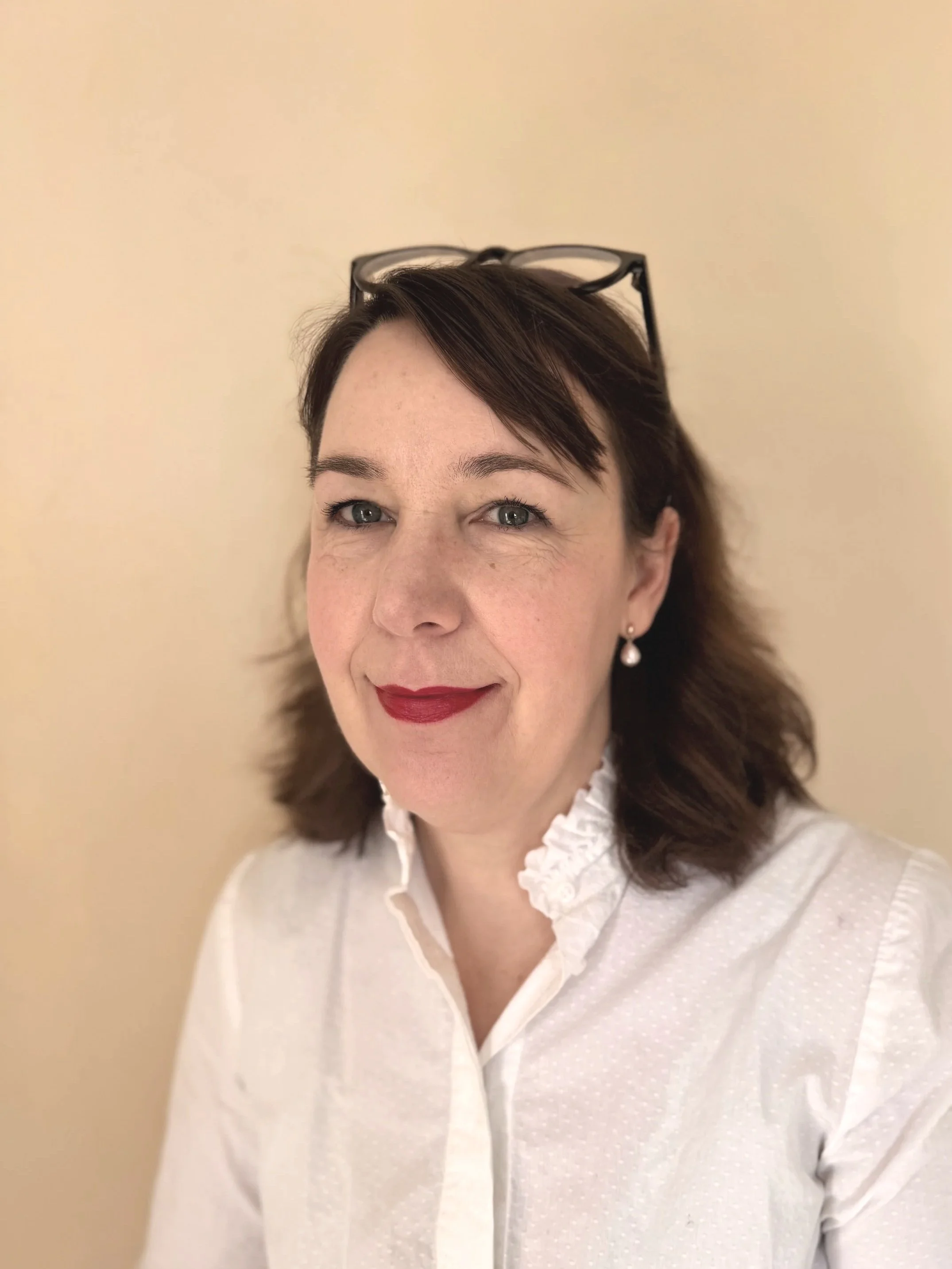
Dr Annetta Berry
Founding Director | Editorial Strategy & Narrative Systems
Annetta is an interpretation specialist, editor and author with over 25 years’ experience devising and delivering strategic, layered interpretation systems and content for national and regional museums, galleries and cultural organisations.
Annetta’s practice spans gallery interpretation, web and digital platforms, AV and audio, online and in-person learning, publications and visitor information systems, with a particular specialism in integrating print, digital and experiential layers into a seamless visitor journey.
She has been entrusted with complex, high-stakes projects with immovable deadlines, including nationally and globally significant commissions for the National Gallery, Tate, the Royal Collection Trust, the British Library and Norfolk Museums Service. Most recently, Annetta defined the National Gallery’s ten-year Interpretation Strategy and led the management, delivery and editing of interpretation for CC Land: The Wonder of Art — the bicentenary rehang of the National Gallery’s permanent collection.
Educated at the University of Cambridge (First and PhD in History of Art) and the University of East Anglia (MFA Creative Writing, Distinction), Annetta combines academic rigour with narrative clarity and a facility with language. She is a professional author whose writing ranges from collection labels and room texts to exhibition catalogues, gift books, long-form web content and online learning, calibrated for audiences from first-time visitors to subject specialists.
Annetta is highly experienced in content governance and large-scale editorial management, including scheduling, commissioning, mentoring writers and maintaining consistency across complex interpretive ecosystems. A meticulous editor, she ensures accuracy, clarity, inclusive reading levels and tonal consistency across all outputs. She is professionally trained in accessibility auditing and provides expert guidance on inclusive language, sensitivities and best practice.
She is a member of the Association for Heritage Interpretation and the Society of Authors, and has taught and lectured for the British Museum International Training Programme, UEA Creative Writing, the National Centre for Writing, Norfolk Museums Teaching Museum and the Warburg Institute MA in Curating the Renaissance.
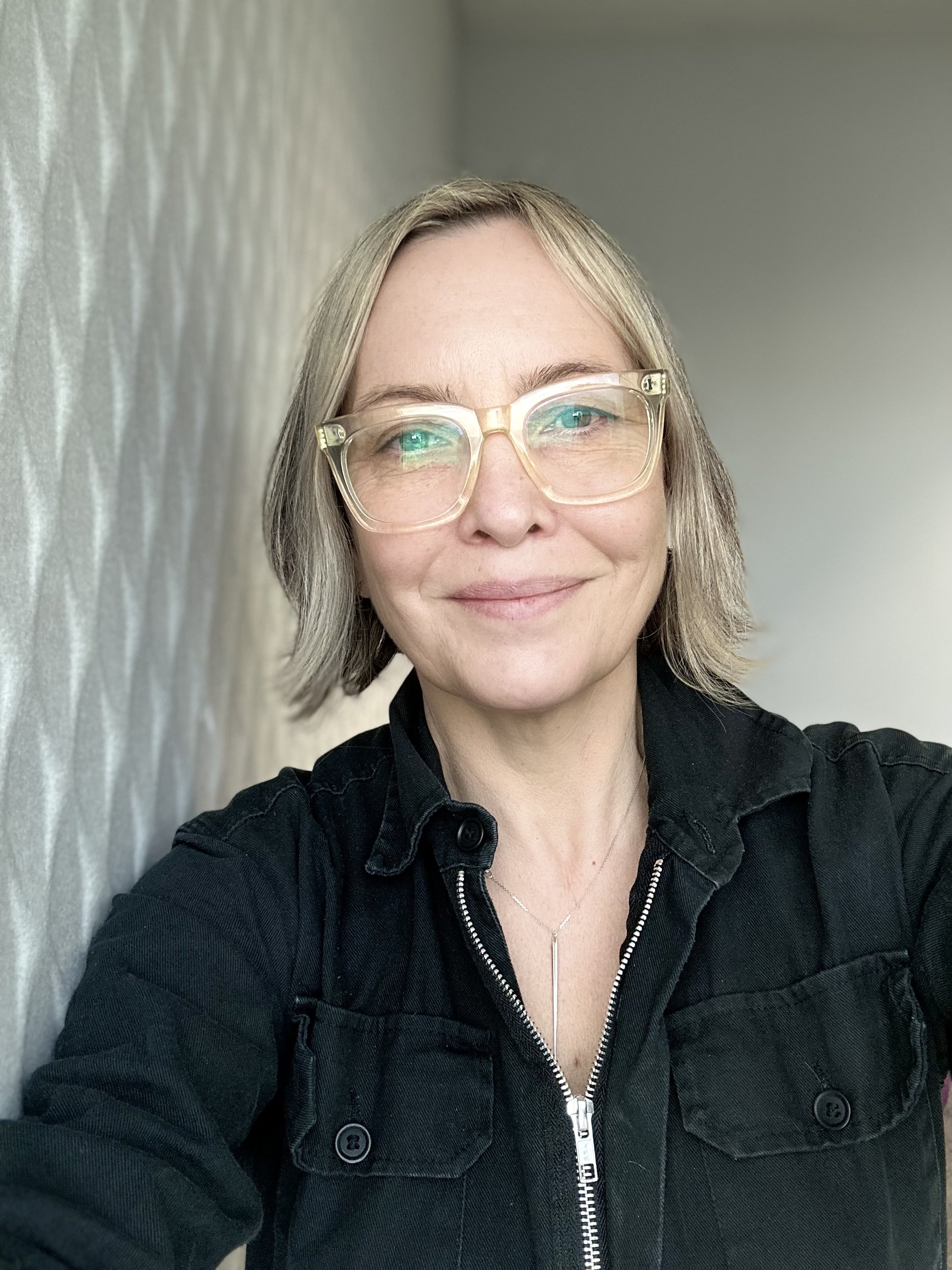
Nikki Barton
Founding Director | Strategy, Product & Design
Nikki is a product & design leader working at the intersection of culture, technology and audience experience. Her work focuses on how people encounter and engage with collections and stories across both physical and digital environments.
Through her former company Nykris, she delivered interpretation, digital and interactive projects for organisations including the BBC, Tate, the Smithsonian, the British Museum, the Natural History Museum, the Science Museum, the National Gallery and the Government Art Collection.
Her work explores how design, technology and emerging tools — including AI-enabled workflows — can make cultural content more accessible, meaningful and engaging for diverse audiences.
Trained in Typography and Graphic Communication, Nikki combines creative direction with product thinking and organisational leadership. She has led design and product teams within major organisations including BT, Microsoft and British Airways, working at moments of transformation where digital products, platforms and teams need to evolve quickly and effectively.
Earlier in her career she helped pioneer a number of innovative interactive experiences, including the BBC Tweenies CD-ROM, the Electronic Arts 3D Atlas — an early precursor to later spatial platforms such as Google Earth — and some of the first handheld digital guide work for Tate.
Accessibility has been a consistent focus throughout her work. Projects she led for the Oxfam website received the first UK accessibility award for a website, recognising a commitment to inclusive digital design at a time when accessibility was rarely prioritised.
Alongside her professional practice she has served as an External Examiner for the MA/MSc Innovation Design Engineering programme jointly run by the Royal College of Art and Imperial College London.
Across both cultural and commercial contexts, her work brings together audience insight, design leadership and practical experience delivering complex digital projects at scale.